Forging Copper: Techniques, Process, and Benefits Professional
1 year ago - Services - Michigan City - 98 views$ --
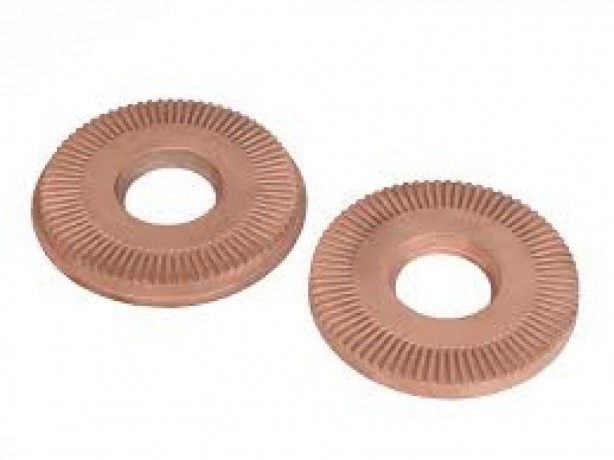

For centuries, copper forging has remained one of the mostthrilling metalworking techniques practiced globally owing to itseffectiveness, versatility, and beauty. Its construction involves shapingcopper in various ways through heating and hammering crating usable anddecorative structures and objects. The copper solidification method of thismetal comes with numerous benefits base on the properties of obtained materialsto include improved strength, good electric and thermal conductivity, andattractive surfaces finish. This article presents the methods, uses, andadvantages of this technique focus of copper forging, and why copper is stillin numerous crafts and industries.
More about Copper forging can be found here- https://www.indianmetal.solutions/
What is Copper Forging?
The process is known as forging, and the metal being workedis suitable for this operation. Shapes of metal are affected by strains, whichare made by applying compressive stress, and it’s most often used inconjunction with a hammer or a press. This is different from the casting methodwhereby liquid metal is poured in a mold for shaping, in forging the metal isusually heated and made plastically deformable but is molded physically intothe required shape. Forging employing copper hammer can be hand crafted ormachine operated depending on the geometry and complexity of the part to beproduced.
Techniques of Forging Copper
Hot Forging: This procedure involves holding the cooper insome temperature (usually 1,500 ºF to 1,800 ºF) to increase the ductility ofa metal. Therefore, the copper seemed so hot that it can be struck or pressedinto some form of interest. Hot forging has an upper hand in this regard as itallows further modifications and is ideal for more advanced designs or biggerparts.
Cold Forging: Cold forging is carried out at roomtemperature or its near equivalent without any heating. This technique is oftenutilized for the production of simpler contours or when utmost precision isrequired. Copper produced by cold forging also maintains its strength andsurface finish, and so is most appropriate for applications where copper isoptically appealing.
Closed Die Forging: This pounding method takes place withundraped copper between the forge and cavity die. In this method copper isfilled in a closed die (mould used without opening) and it is hammered the diecavity is filled. Closed die forging is mostly applied in factories forproducing definite shapes parts.
Open Die Forging: In open die forging, there is no enclosurearound the metal only two flat or simple hammering possessor heads are used todrive the metal. In this case, the cooper is hammered between flat dies orother simple tools in one open and uninterrupted manner. Such a method isapplicable hitherto large dimensional items, but limits orientation changes inthe obtained copper elements.
Enhanced Durability – Metal working processes such asforging promote grain flow in a copper being worked on making it more resilientand fatigue and wear resistant. This renders forged copper parts ideal formechanical and structural parts.
Better Conductivity Copper is easily the best metal withboth good electrical and thermal conductivity. And since it is forgingthatsimplies these assets, it is widely used in electric connectors, heatexchangers, and electric conductive components. Copper is also highly resistantto corrosion and can be used in exposed environments with moisture, chemicals,etc. Forging also contributes towards the lifespan of the end product as itimproves copper’s strength.
Eye Catching Features: Copper is naturally reddish-brown incolor and develops a patina with time. These qualities make it highly preferredin decorative arts and architectural works. The appearance may be enhancedapply the forging process to form any intricate shapes, finishes and texturesthat mask the beauty of the metal.
The Forging Process: Step by Step
Material Selection: The process starts with identifying theparticular grade of copper that is suitable for doing that. The properties ofthe over-all product requirements will be further supported by the type ofcopper used. Cu common grades of this include C110 copper which is a purecopper – used in most electrical work and copper alloys that comprises bronzeor brass which gives added strength or resistance from corrosion.
Heating: If hot forging is involved, the copper is kept inthe furnace and heated to a required temperature. This step is omitted in coldforging.
Shaping. The heated copper is placed on an anvil or placedbetween two dies and then hammered or pressed into shape. Depending on theintricacy of the piece, at times, several heating and hammering of the metalwill be necessary.
Finishing. During this process of forging from copper, thecopper metal is let to cool down before any of the finishing processes aredone. This can involve stamping, polishing, texturing, or spraying coating toimprove the aesthetics and durability of the copper piece.
Inspection and Quality Control: The last step consists ofsurveying the forged copper and searching for imbalances or defects. Certainmeasures are taken to ensure that the final product produced is adequate in itsrequired specifications e.g. strength, conductivity, dimensions, etc.